








Art & interiors
Kitchen Art with Food and Wine: Start at the Dry End

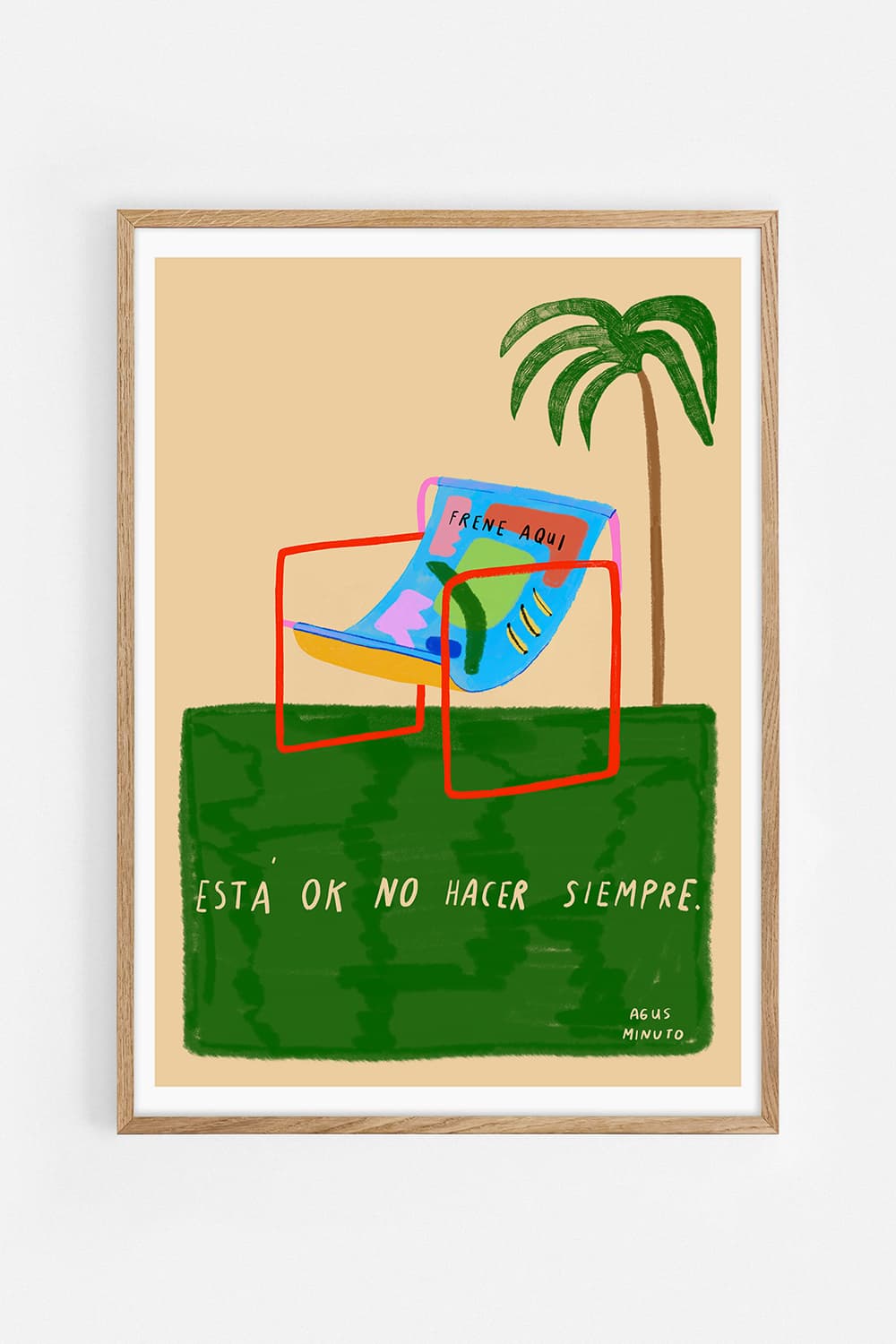
Kitchen art can connect the room to meals, conversation and familiar rituals. The important first choice is where the print can be enjoyed without being exposed to cooking. Start at the breakfast or dining end, then compare two works with distinct ways of describing the table: Cheers to you and Fernet.
Pick the wall before the picture
Look for a dry wall away from the sink, hob, kettle and regular food preparation. Observe where steam and splashes actually reach during an ordinary meal. A wall beside a breakfast cabinet can be more suitable than the narrow strip above the cooker. A frame does not make a paper print waterproof or resistant to heat.
Choose between a table scene and a portrait
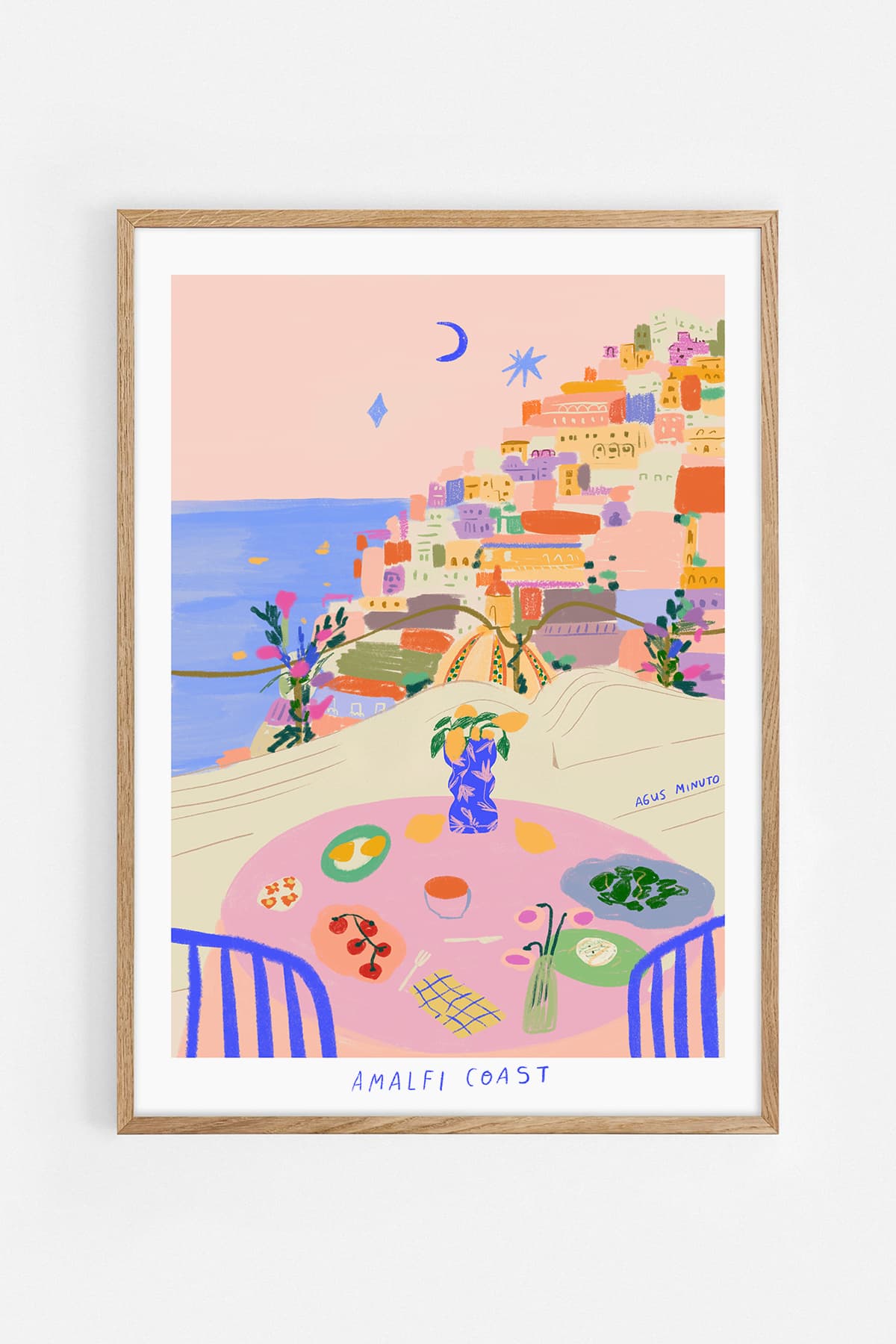
Cheers to you by Arty Guava shows hands holding wine glasses, fruit, a bottle and a candle. Fernet by Agus Minuto places a figure among a drink, plants, lettering and other small details. One begins with a shared table; the other with a character. Choose the kind of scene you want to return to each day.
Connect the colours without matching everything
The green leaves and warm fruit in Cheers to you can sit beside Fernet’s olive, pink and blue. A repeated oak frame gives them another connection. Place the product images side by side against a photograph of your cabinets. You do not need to replace kitchenware to make every colour appear somewhere in the room.
Check detail from the breakfast seat
Fernet contains small lettering as part of the artwork. Compare the size from the seat where you drink coffee, rather than expecting a small print to read like a poster viewed close up. Try the outline of 30 × 40 cm and 50 × 70 cm portrait prints, then add the actual outside frame dimensions.
Keep the surface below usable
If you hang a pair above a breakfast cabinet, leave room for cups and the objects you regularly move. Start with a small trial gap between frames and align one shared edge. Do not balance a print behind a kettle or a busy chopping area. The image illustrates a dry dining zone, not a splash-resistant installation.
Let one print be enough
A narrow kitchen may have space for one work instead of a pair. The table scene can carry the food-and-wine theme on its own, while Fernet gives a more figurative direction. Check current product and frame options separately. Follow the care and hanging instructions for the selected materials and keep the original artwork visible without cropping its words or signature.
Questions about this layout
Must kitchen art show food?
No. A favourite abstract or photograph can work too. These two examples are for someone who wants a visible connection to eating and drinking.
Can I put a framed print above the hob?
Choose a dry, cooler wall instead. A decorative frame should not be assumed to protect paper from heat, grease or steam.
Artworks in this guide
 Cheers to youArty Guava
 FernetAgus Minuto